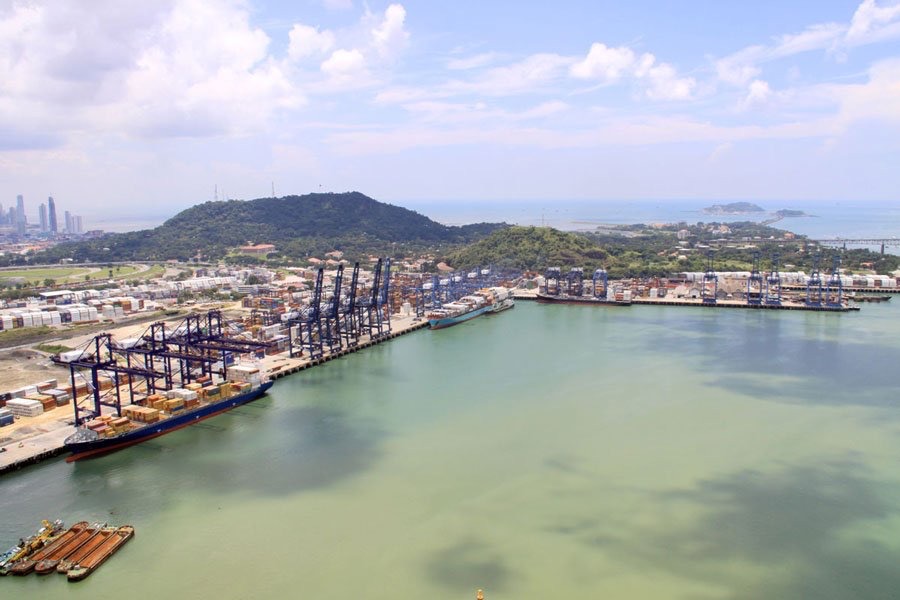
Vessels anchored in Panamanian waters can address a significant part of their maintenance and repair needs without entering dry dock or diverting to a shipyard. Mobile teams, specialized divers and portable tools allow interventions to be carried out directly at anchorage while the vessel awaits transit, cargo operations or new orders. This approach reduces downtime, avoids additional costs and adapts maintenance work to the vessel’s real operating conditions.
What repairs can be done at anchorage
Although not every repair is suitable without dry dock, a wide range of tasks can be performed safely and efficiently while a vessel remains anchored in Panama. Feasibility depends on access, environmental conditions and the technical complexity of the job.
Hull and structure: divers or ROVs can inspect areas below the waterline, identify coating issues or structural weaknesses, and apply temporary underwater patches or seals. These actions help contain issues until the next scheduled dry docking. More details are available in our hull repair resources.
Main and auxiliary machinery: routine maintenance, diagnostics, component replacement and performance checks can be carried out from deck or the engine room, provided they do not require major dismantling or large shipyard infrastructure.
Piping systems and valves: teams can stop leaks, replace accessible damaged sections, inspect and exchange valves, and adjust piping layouts that are located above the waterline or reachable internally. All work follows strict safety and pressure-testing protocols.
Electrical and control systems: technicians can identify failures, replace faulty components such as sensors or breakers, recalibrate systems and resolve issues in switchboards, automated systems and navigation equipment.
Propulsion (limited interventions): minor inspections and adjustments to accessible components—such as shaft seals or visual propeller checks via divers/ROVs—may be possible at anchorage. Major propulsion work still requires dry dock.
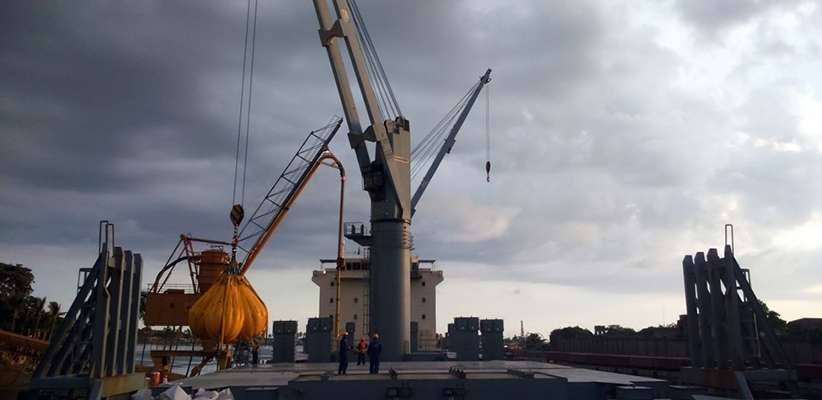
Deck machinery: cranes, winches, windlasses, hatch covers and other equipment can be repaired or adjusted afloat. Limited steel renewals in areas accessible from deck are often viable.
Localized surface protection: small-area coating touch-ups above the waterline help address corrosion or coating damage without the full process required in dry dock.
How these interventions are organized
Anchorage repairs require a specific methodology. Technical teams must be accustomed to the constraints of working on an anchored vessel, and logistics must account for access limitations, movement and operational safety. Work is carried out with portable equipment and coordinated closely with the vessel’s crew.
Proper authorization from the Panama Canal Authority (ACP) and the Panama Maritime Authority (AMP) is essential before starting any job. Operations involve safe transport of personnel and materials by service boats, compliant waste management, and tailored safety protocols. For complex access points, temporary platforms, rope-access techniques or certified commercial divers may be used.
When repairing at anchorage is the best option
Repairing at anchorage is especially useful when the vessel is already waiting for Canal transit or operational instructions. It avoids deviations to shipyards, reduces downtime significantly and eliminates costs linked to dry docking, towing or pilotage. It also allows urgent issues to be resolved before they escalate into more expensive failures.
However, feasibility depends on several factors: weather and sea conditions, accessibility to the repair area, availability of specialized equipment and the technical scope of the intervention. Large structural modifications, extensive hull work or complete propulsion overhauls still require dry dock.
To ensure efficient operations, the vessel must be properly prepared: define the scope of work, share technical details and drawings, guarantee safe access and lighting, coordinate energy supply with the crew and confirm all required permits beforehand.